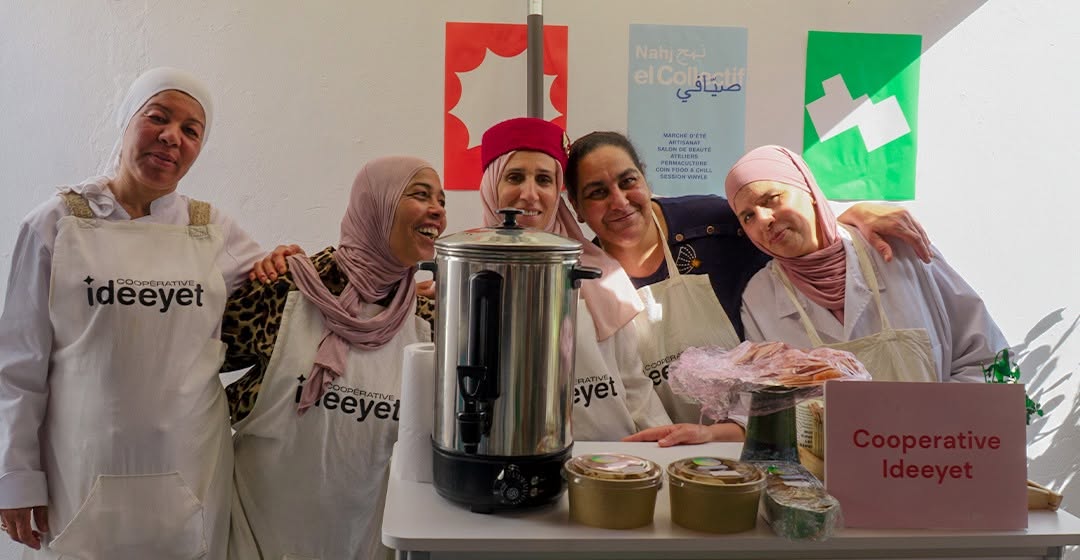
Nahj El Collectif (نهج الكوليكتيف), the first prefiguration event of, L’blaça collective, was supported by Mawjaat’s experimental grant programme. On June 6, L’Blaça collective in Tunis organized a street-based event on the very street where its members have chosen to build a living urban ecosystem—without merging, without hierarchy, but by turning their street into a shared and vibrant environment.
The Rue du Niger Collective · Tunis — An evolving initiative
Rue du Niger in Tunis is writing its own story: one of a collective which, by occupying three houses, has chosen to make geographical proximity a driver of social transformation. The inaugural event, Nahj El Collecti, brought together five organizations around a simple promise: to share, transmit, and build together, while each remaining fully itself within a shared street.
This founding inspiration of Nahj El Collectif made it possible to shape a new way of cooperating and a shared desire to nurture a supportive, creative, and open urban ecosystem. A common identity acts as a guiding thread: it makes the dynamics of Rue du Niger visible while allowing each organization to retain its name, history, and singular identity.
Naming without merging
The creation of Nahj El Collectif responds to a need for visibility and clarity. Rue du Niger brings together multiple spaces, organizations, and dynamics—for local communities, neighbors, and potential partners. This event gave tangible form to the L’blaça collective, granting it visibility both in people’s minds and across interconnected spaces.
Choosing to activate multiple spaces is an ambitious approach, as it requires genuine mutual trust: appearing together implies a long-term commitment to coherence. The Tunisian Permaculture Association, Shanti, the Créatif collectif, Ftartchi and Beyti each preserve their specificity, while also sharing spaces—both physically and symbolically.
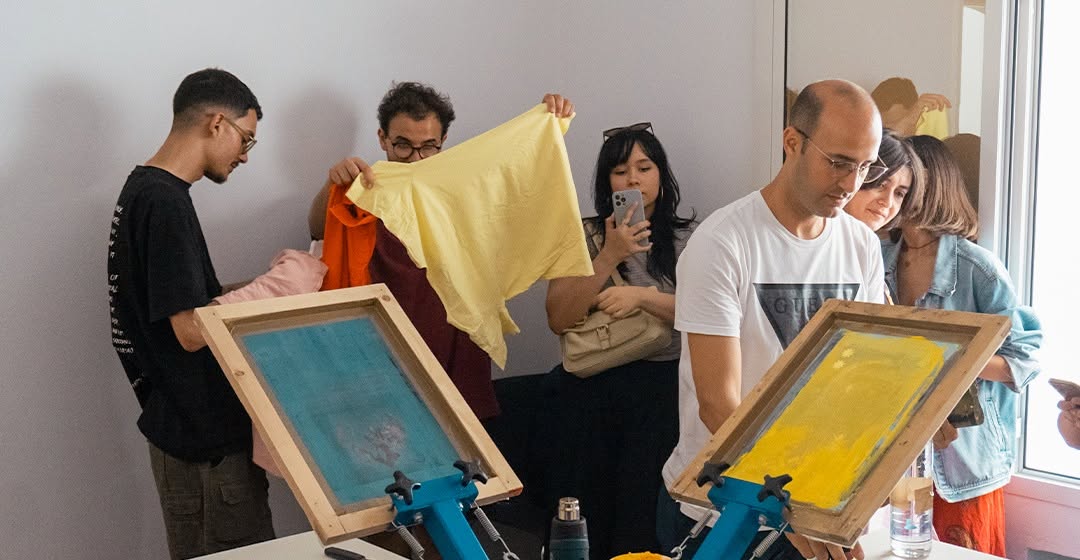
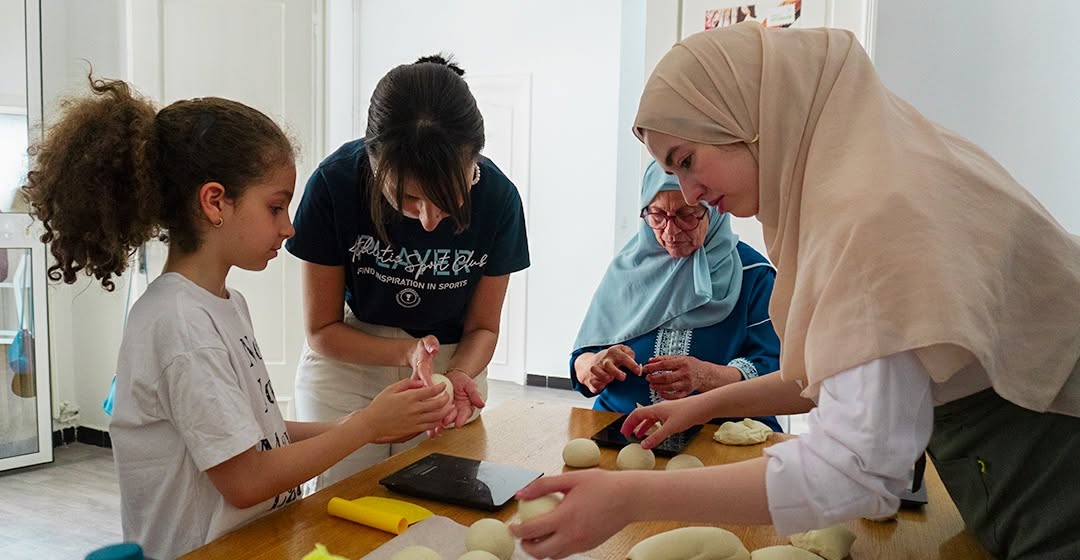
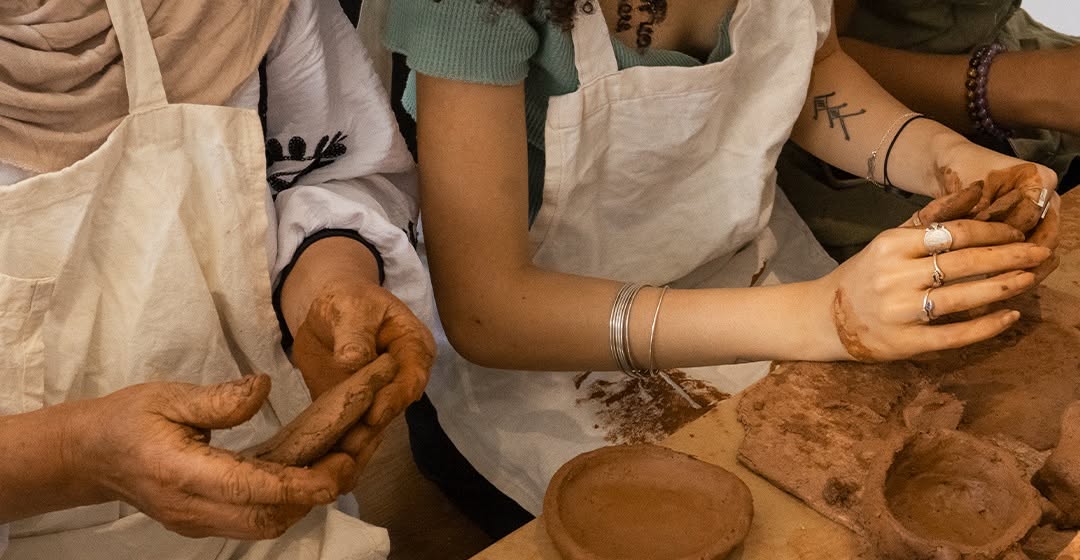
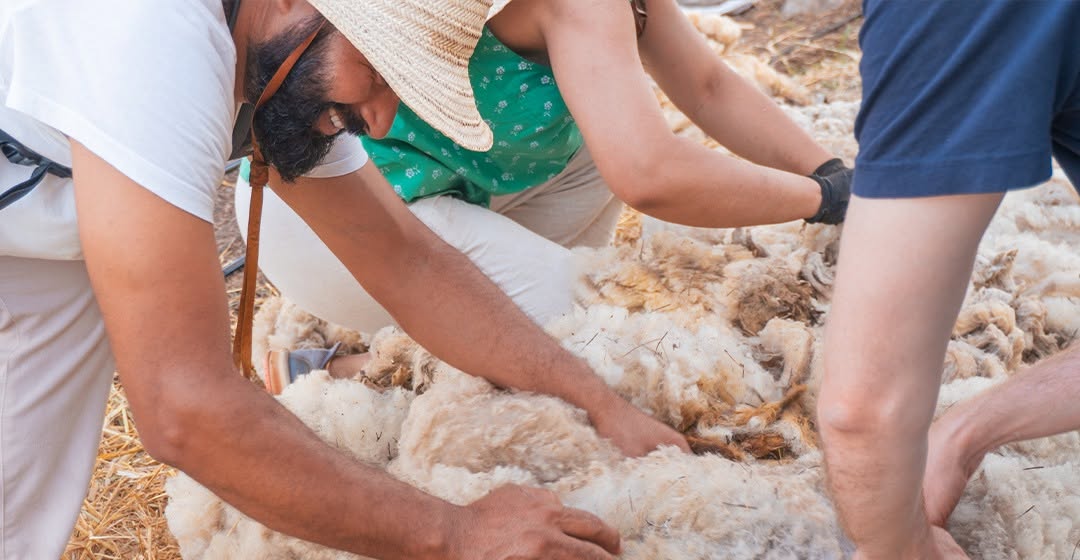
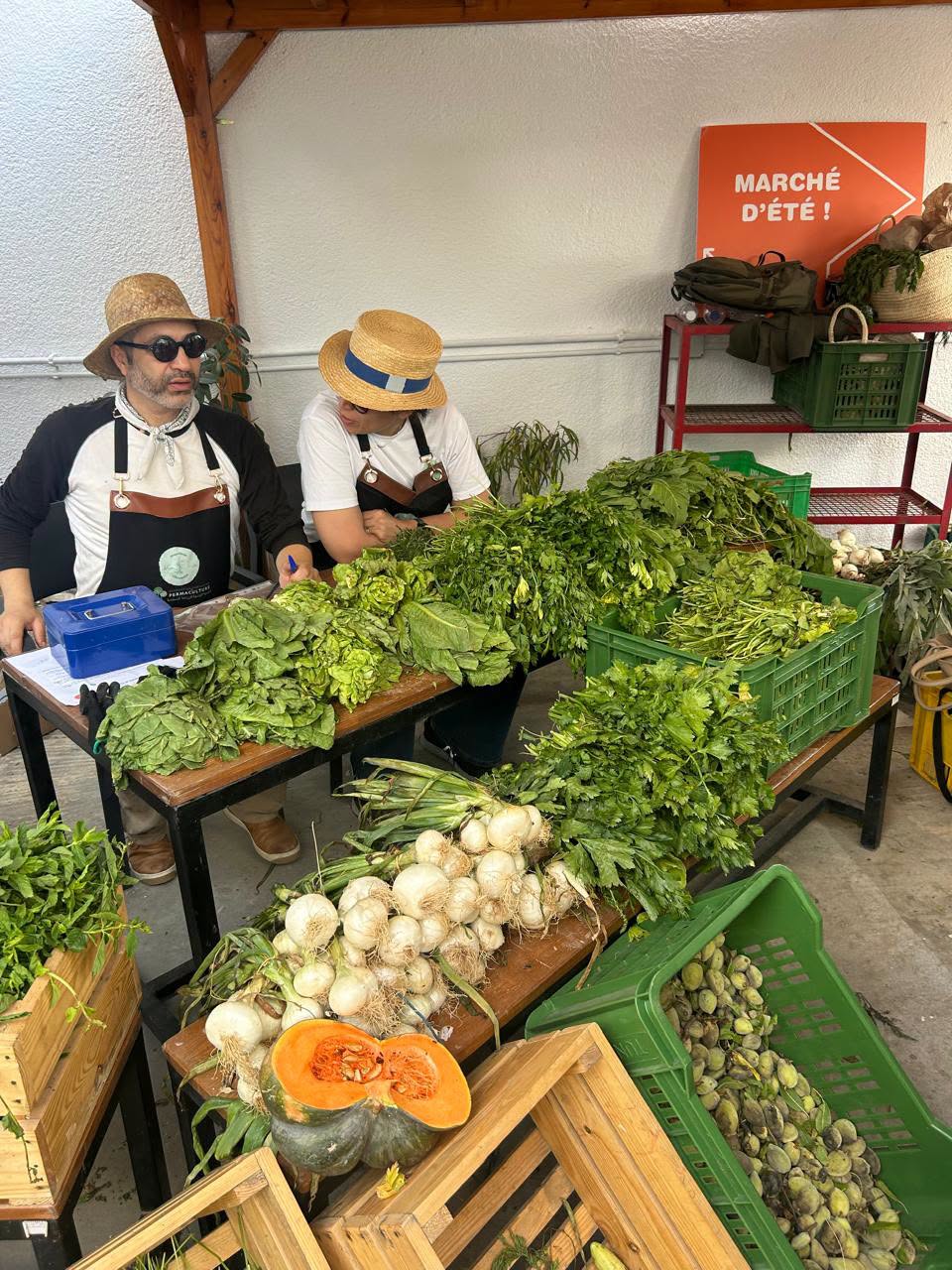
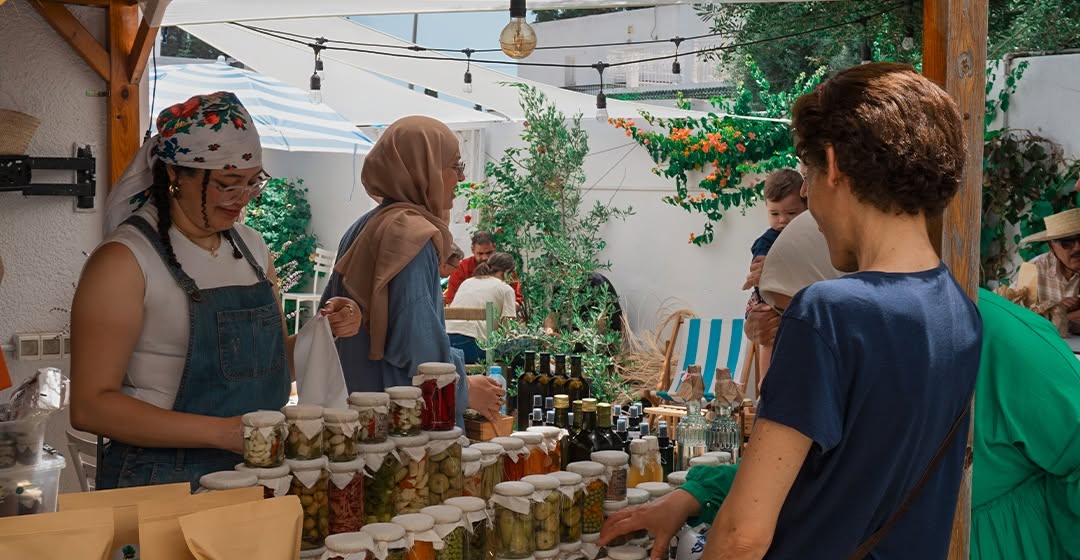
Through a farmers’ and artisans’ market, screen-printing, bread-making, pottery and rattan workshops, body care activities, and the creation of an urban garden, Nahj El Collectif established a strong physical and active presence for L’blaça in the urban space. It demonstrated that it is possible to build strong connections between the audiences of each structure by inviting them into shared environments.
Horizon
This successful event opens up perspectives for future collaborations: cross-residencies between members, regular markets, intergenerational workshops, and partnerships with schools, universities, and artists.
As L’blaça’s programme takes shape—exhibitions, training cycles, urban agriculture projects, markets—Rue du Niger could well become a unique initiative for cultural exchange and entrepreneurial dynamism in Tunis.
Programme
Nahj El Collectif brings together the spaces, associations, and initiatives that animate Rue du Niger. Between a summer market, workshops, craft creations, care spaces, screen printing, food and refreshing drinks, and moments of encounter, the event invites visitors to discover a collective dynamic rooted in the neighborhood, where new ways of working, consuming, creating, and connecting emerge.