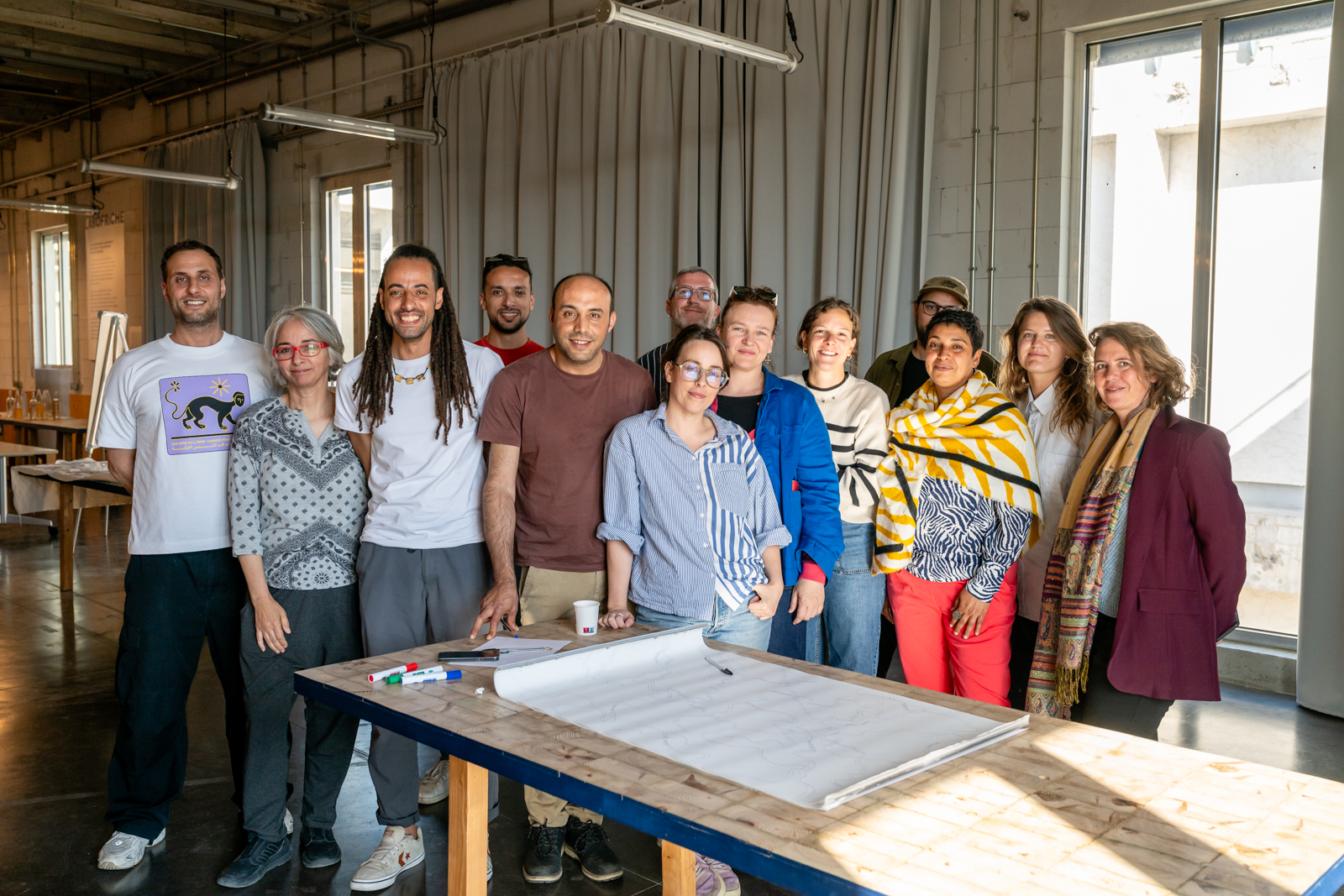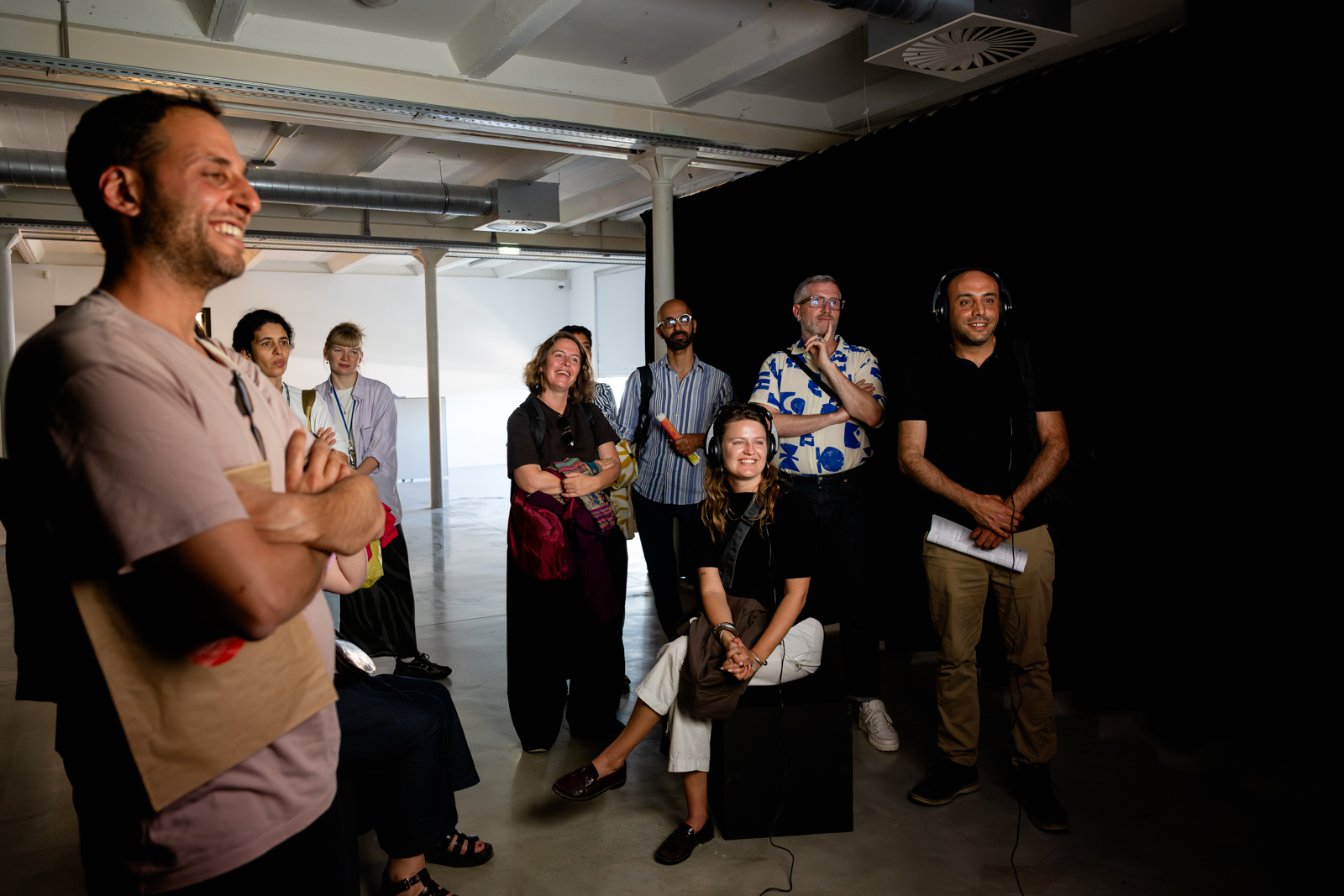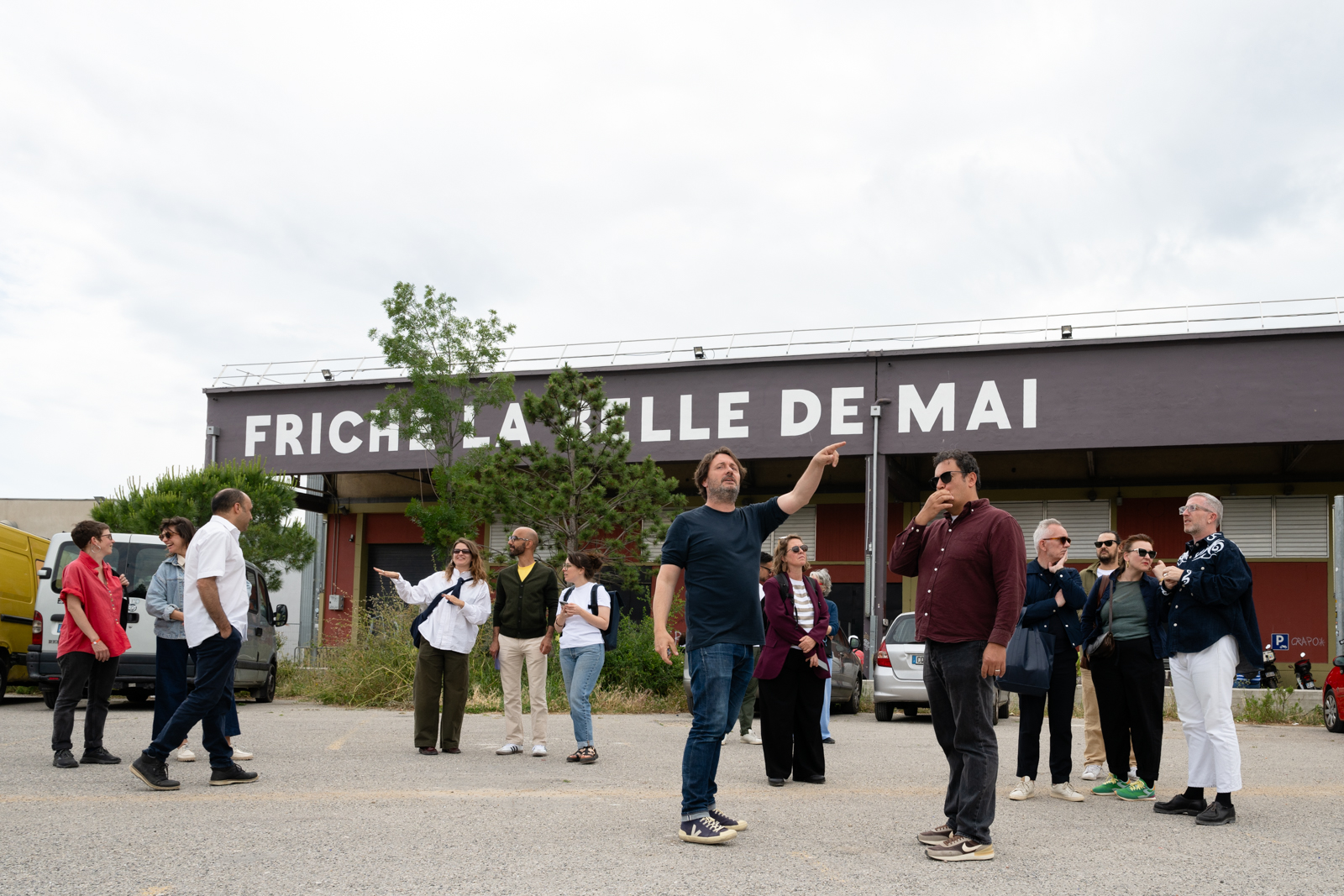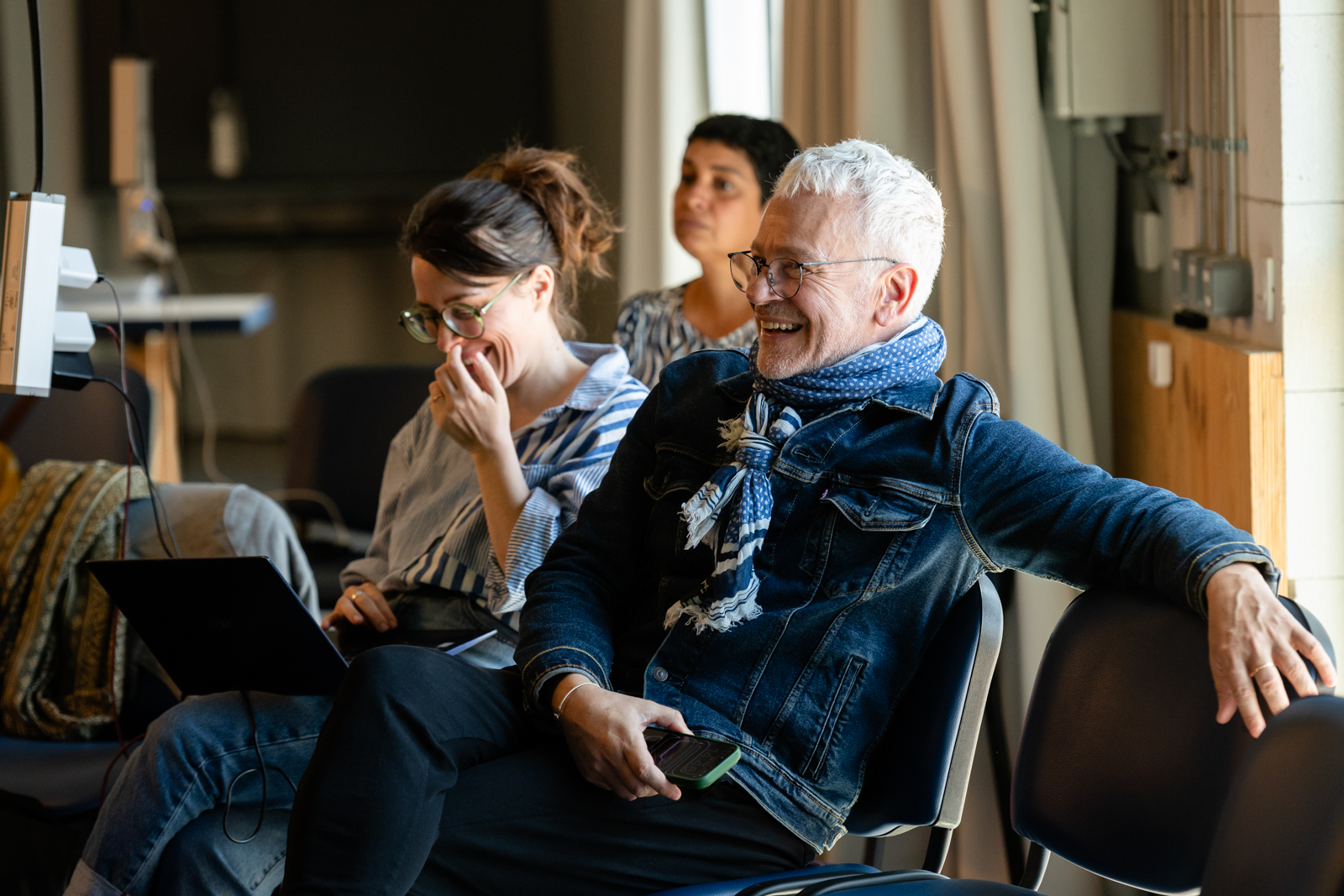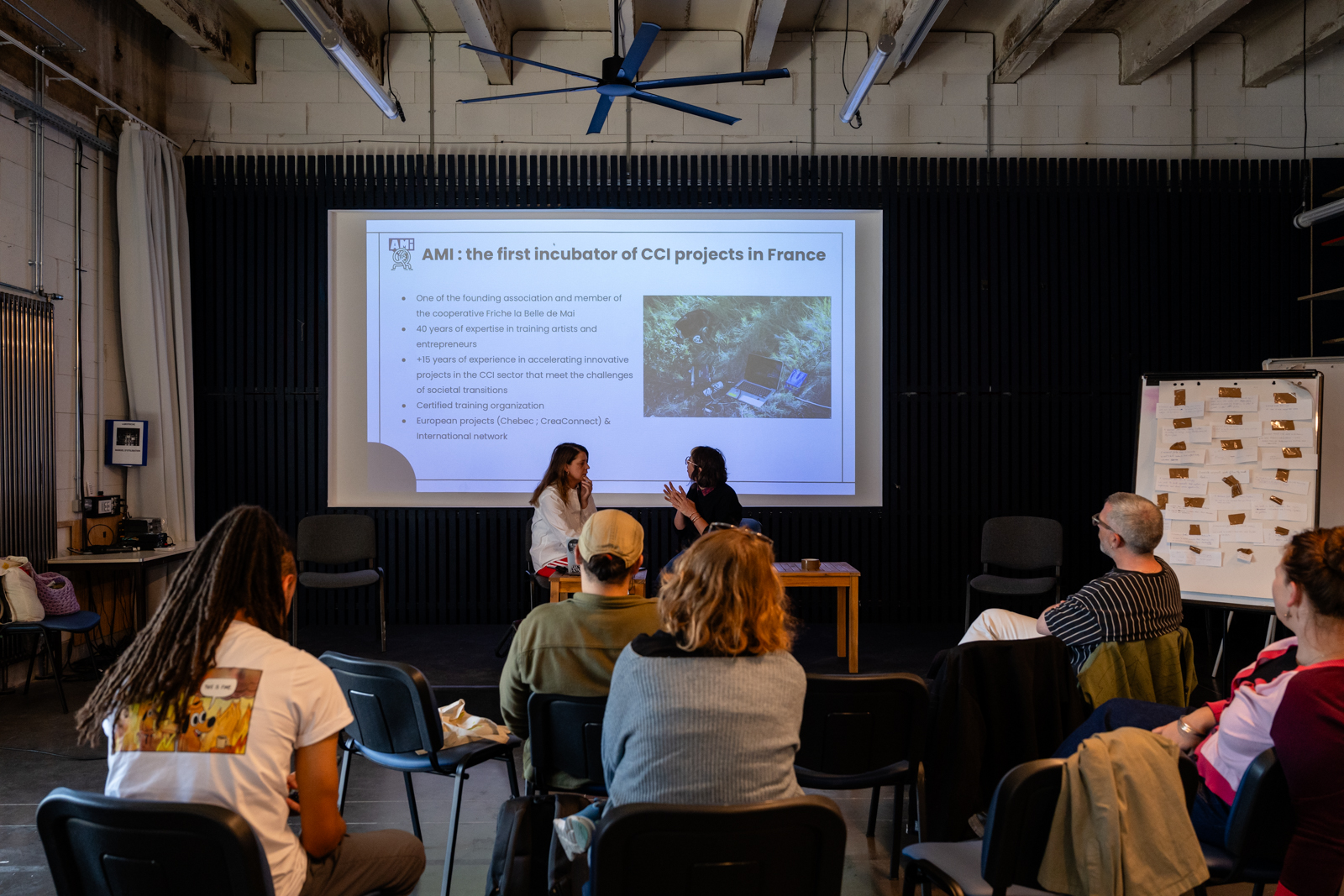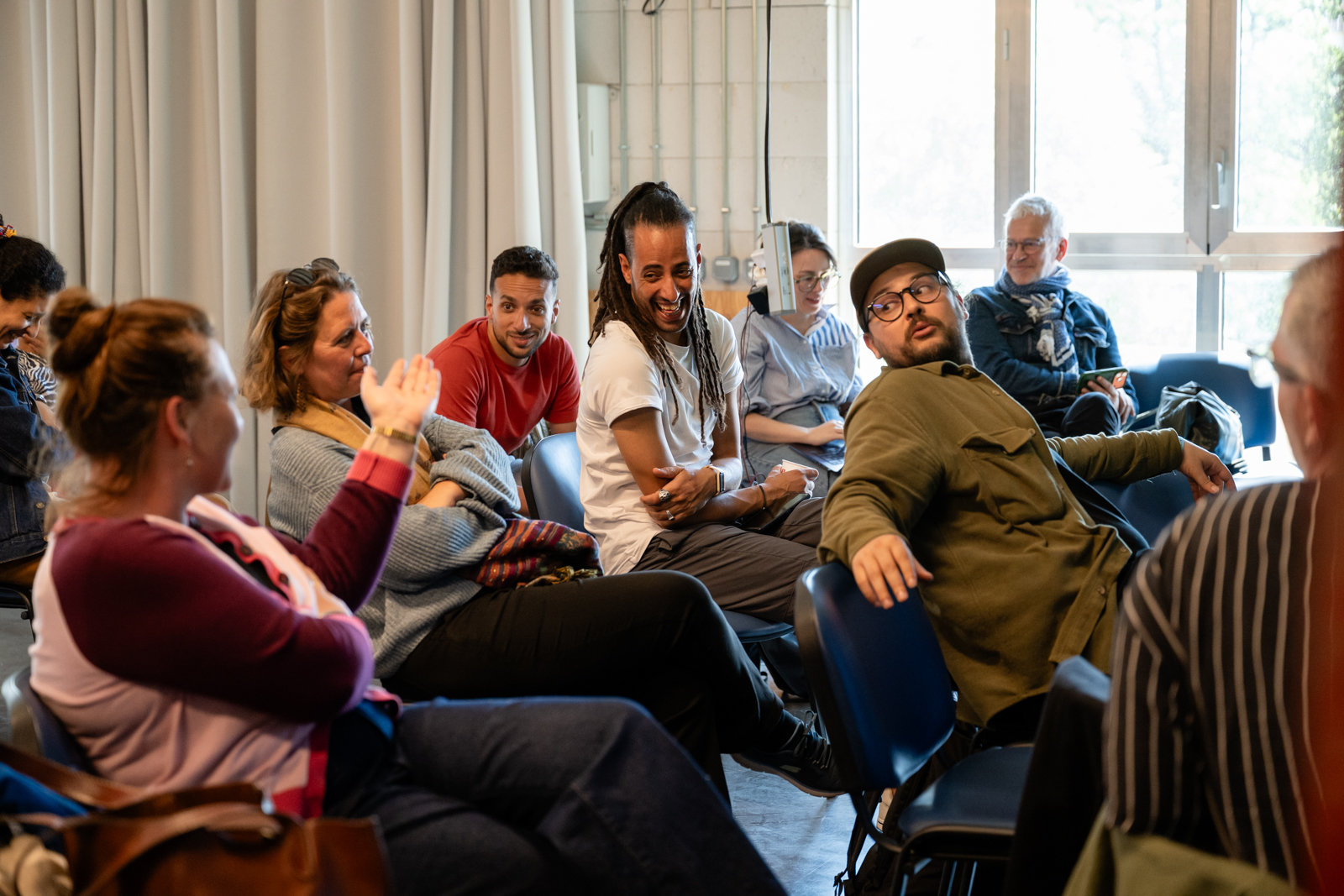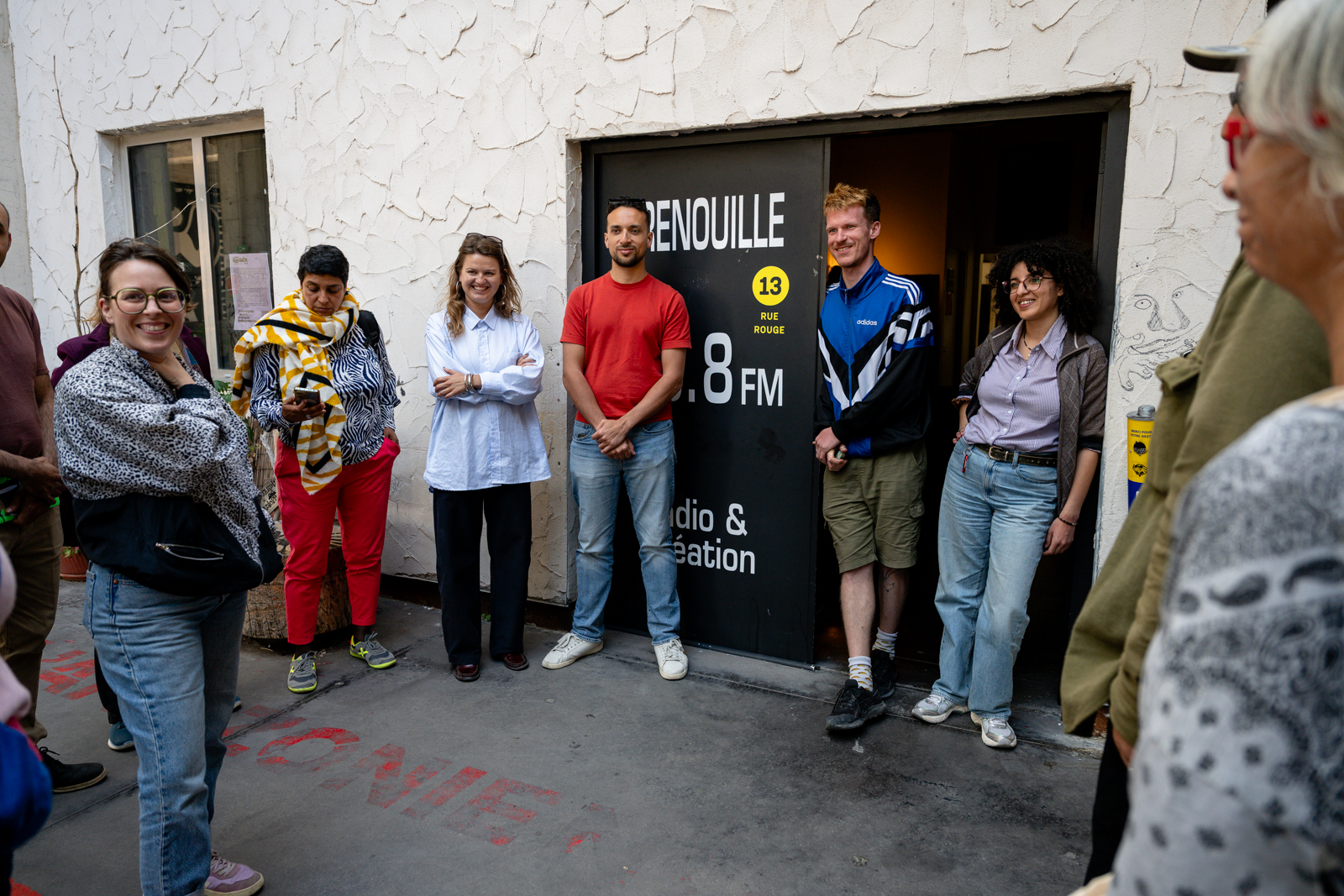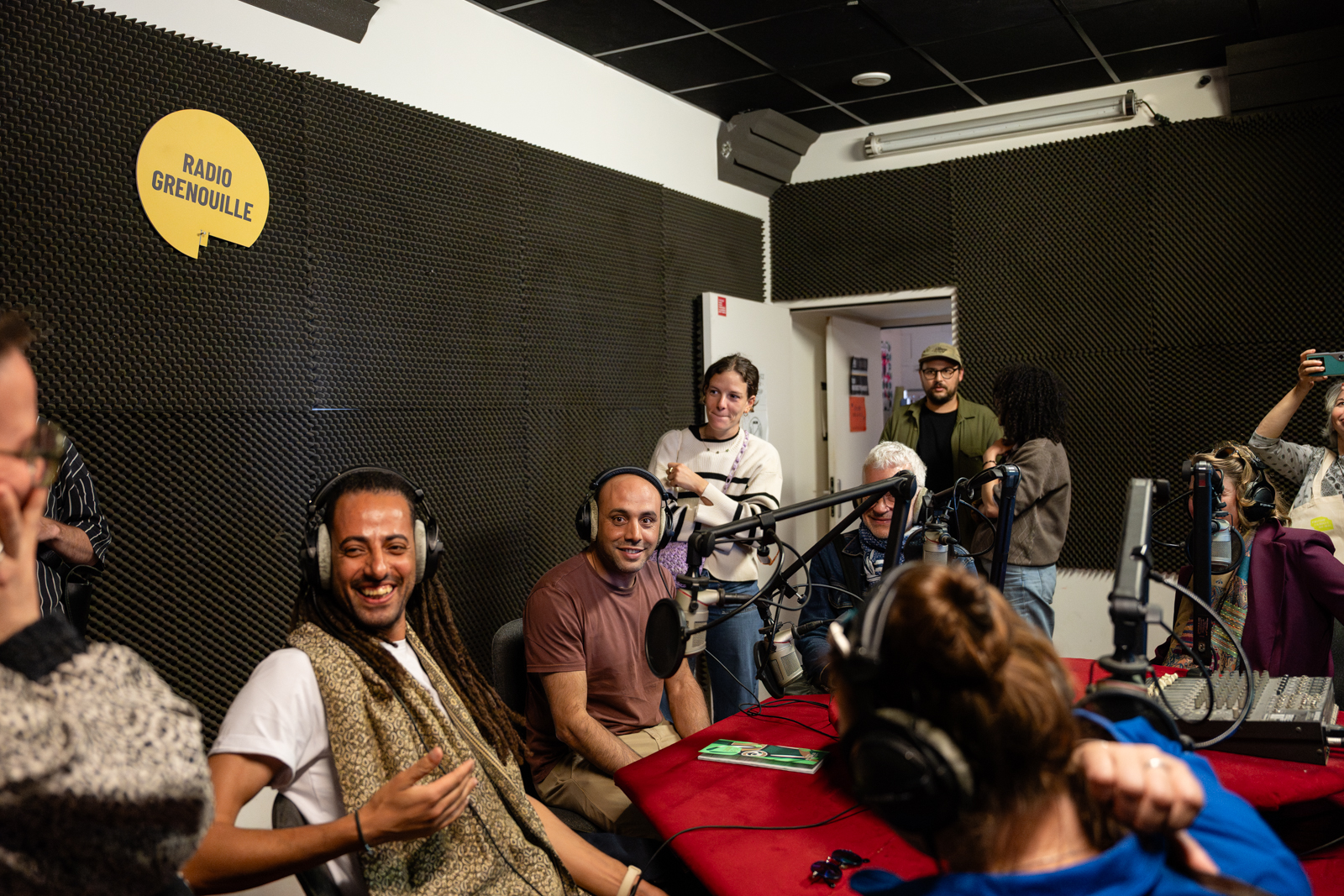
From 18 to 20 May 2026, La Friche la Belle de Mai hosted Mawjaat’s partners in Marseille for a new gathering of the collective. This “Escale à Marseille” is part of the agenda of the “Mawjaat: creative hubs for cultural transitions in the Mediterranean” project, and follows the first workshop held in Tunis in February 2026.
A mid-term meeting devoted to the sustainability of economic and governance models, the ecological redirection of cultural venues, and the building of collective tools. Over three days, the group also took the time to explore, together with the researcher Lieve Wijman, what the Mawjaat dynamic concretely looks like today, before joining the launch of the 2026 Mediterranean Season. This milestone made it possible to combine internal reflection with an opening onto the Marseille territory, turning La Friche into an experimental place, a workplace, and a focal point for observing the cultural transitions the collective seeks to embody.
Day 1 – La Friche as a laboratory of governance
The meeting opened with welcoming words from Alban Corbier-Labasse, director of La Friche, followed by a presentation from Hadia Gana of Bayt Ali Gana, the cultural space she founded in Tripoli out of her family home, now run by a largely self-sufficient community of volunteers.
The first day then focused on the presentation of La Friche’s economic and governance model by deputy director Johan Nicolas: a Cooperative Society for Collective Interest (SCIC) bringing together around a hundred shareholders, an annual budget of €10M relying 60% on public subsidies, and a site hosting 70 resident organizations and around 500,000 visitors a year. Alice Comte, Head of International Cooperation, and Stéphane Pinard, Head of Research and Territorial Development, rounded out this overview by presenting the territorial cooperation process under way since 2021 with residents of the Belle de Mai neighbourhood, bringing together 64 local stakeholders around a contributive fund and five thematic working groups: cooperative territory, youth, rights, citizen governance, and hospitality.
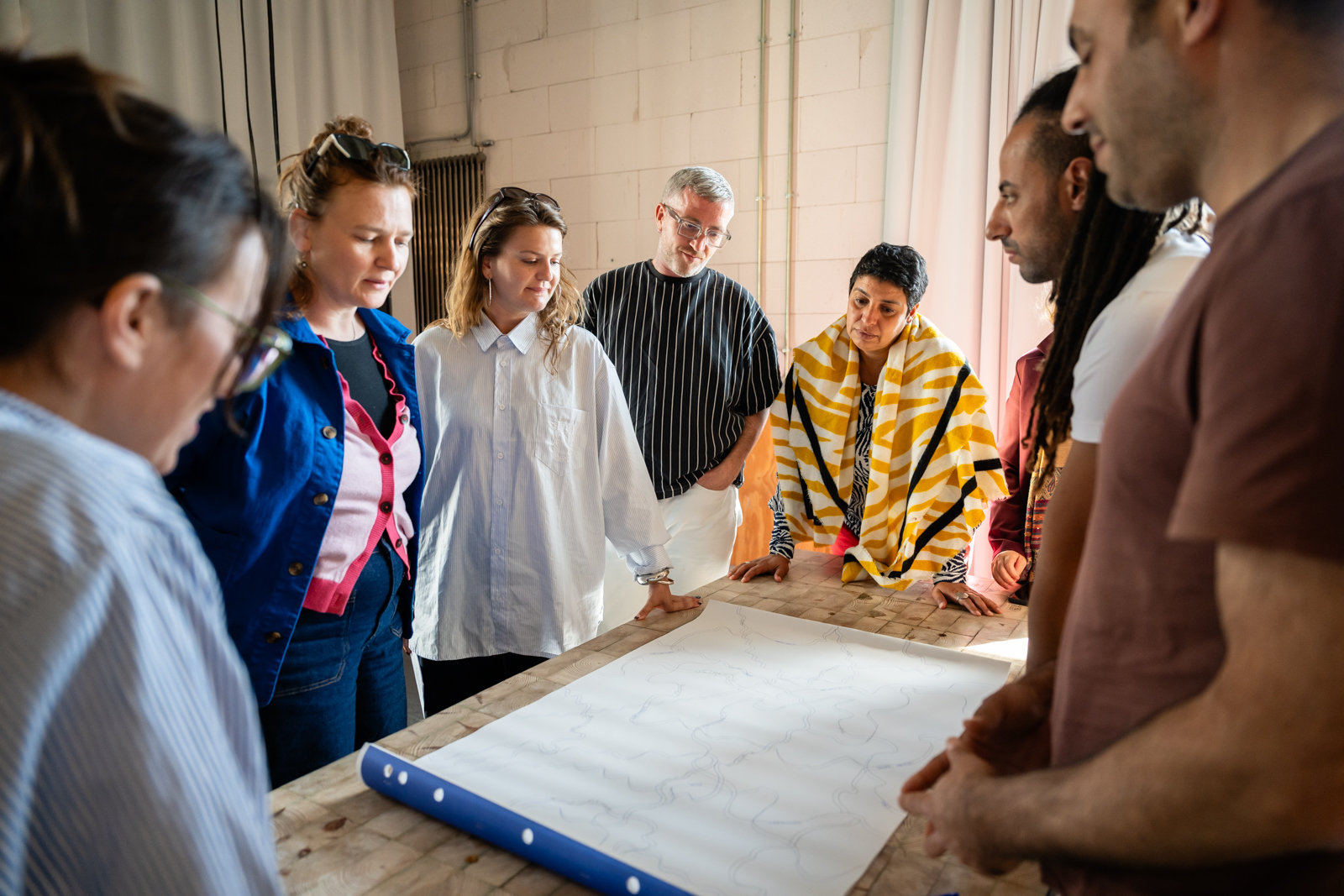
The afternoon opened up a collective reflection on the sustainability of cultural practices, through a presentation of the Ecological Redirection framework by Collectif Interstices, which distinguishes between transition (greening growth) and redirection (questioning the ends and accepting renunciation). Participants then put this into practice during a “Fresque du renoncement” workshop. Split into two working groups around concrete case studies — a photography exhibition in Tunisia and a music residency in Egypt — they mapped out vulnerabilities (censorship, inflation, energy dependencies, geopolitical tensions) and reflected collectively on what to keep, change, add, or give up. The discussions faced a shared conviction: sustainability is not just a matter of greener means, but of questioning objectives and taking on collective trade-offs.
The day closed with a thematic tour of the La Friche site and a workshop on sharing collective tools. Each lead organization presented, in five minutes, a practice or tool that could be transferred to the community, feeding into a shared Mawjaat toolkit.
Day 2 – Mawjaat: from individual practice to collective dynamic
The second day was devoted to the experimentations in each cultural spaces, with partners presenting their ongoing projects supported by Mawjaat’s grant programme. These updates showed the project’s tangible impact: Tatmin achieved a balanced budget for the first time in six years; B’sarya continues its research to revive Alexandria’s music scene and is launching a new “Work in Progress” residency cycle directly inspired by the Beirut Art Center; Tchebbek is pursuing the networking of independent spaces in Algiers; L’Blaça is finalizing the acquisition of a new space and organizing its first event as a collective, Nahj El Collectif; and the Beirut Art Center is launching its “Room for Practice” programme, a residency space where artists are invited to experiment and engage with the public rather than simply exhibit.
Researcher Lieve Wijman, accompanied by the Iméra team, then shared the first results of her research conducted in Tunisia and Egypt, highlighting emerging collaborative dynamics that illustrate how forms of solidarity and circulation are taking shape across the region (Gusra/Safena.7, Nessij, Moving Forward Books, Asameena). She then led a workshop inviting everyone to define what a “movement” feels like, and what it should produce. The responses co-designed a notion built on energy, organic synergy, collective solidarity, and a driver of transformation. Four converging aspirations emerged: building on trust and humanity, breaking down boundaries between disciplines, embedding the collective for the long term, and making Mawjaat a space for cultural democratization — a collective carrying new narratives.
The afternoon brought encounters with other cultural venues based in La Friche :
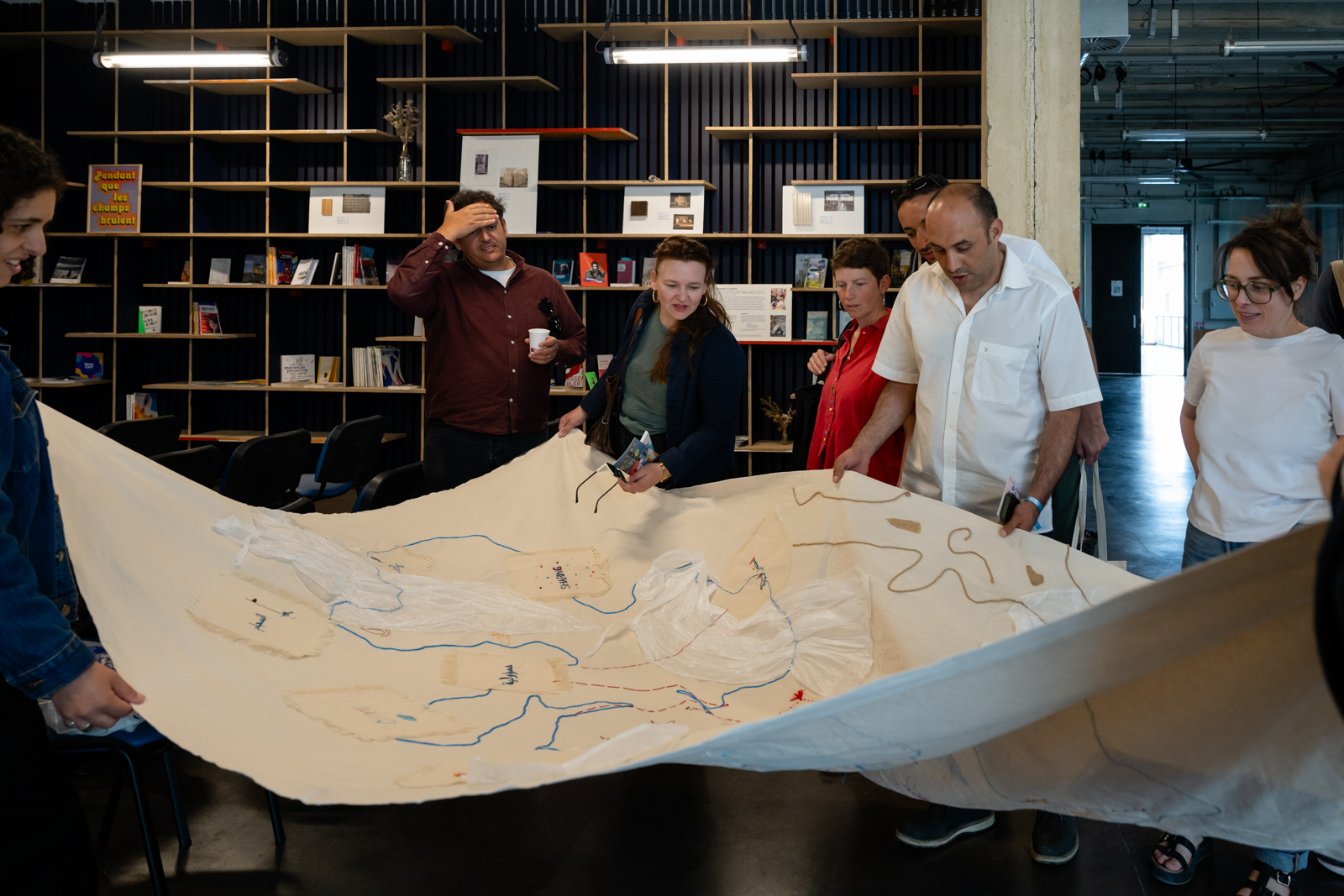
The day ended with a creative session on the meaning to give the Mawjaat community beyond the project’s funding: drawing Mawjaat as a map with no centre and no edges, imagining a membership card (renamed a “hospitality card”), and identifying what nourishes — or drains — the collective’s energy.
Day 3 – Opening to Marseille ecosystem and the Mediterranean Season
The final day of this stop-over was devoted to discovering a key player of the Marseille cultural scene: La Cité des Arts de la Rue, a vast laboratory for performative arts born in 1995 and coordinated by the association Lieux Publics, with a tour led by Rosalie Gonzalez and Cléo Smits.
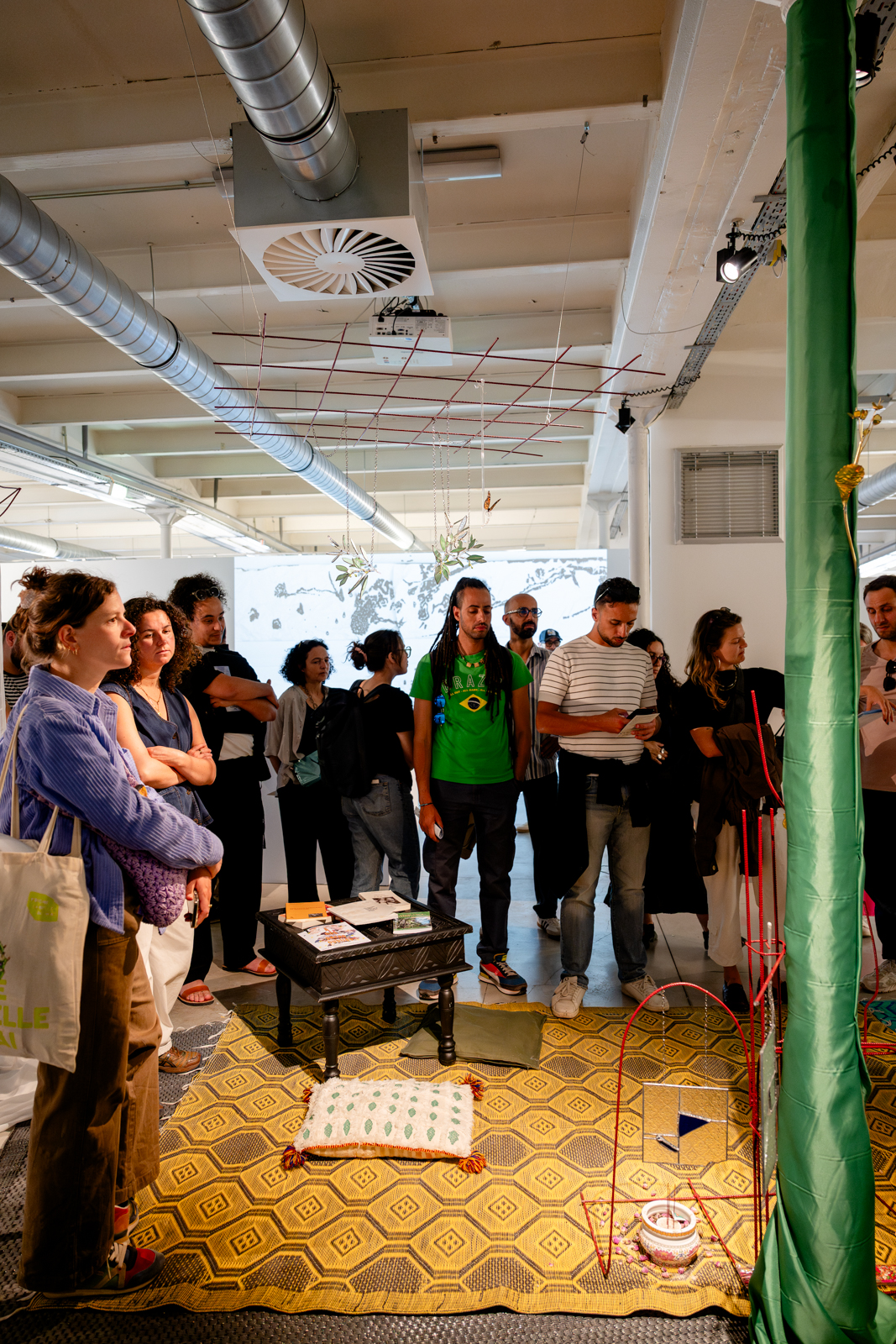
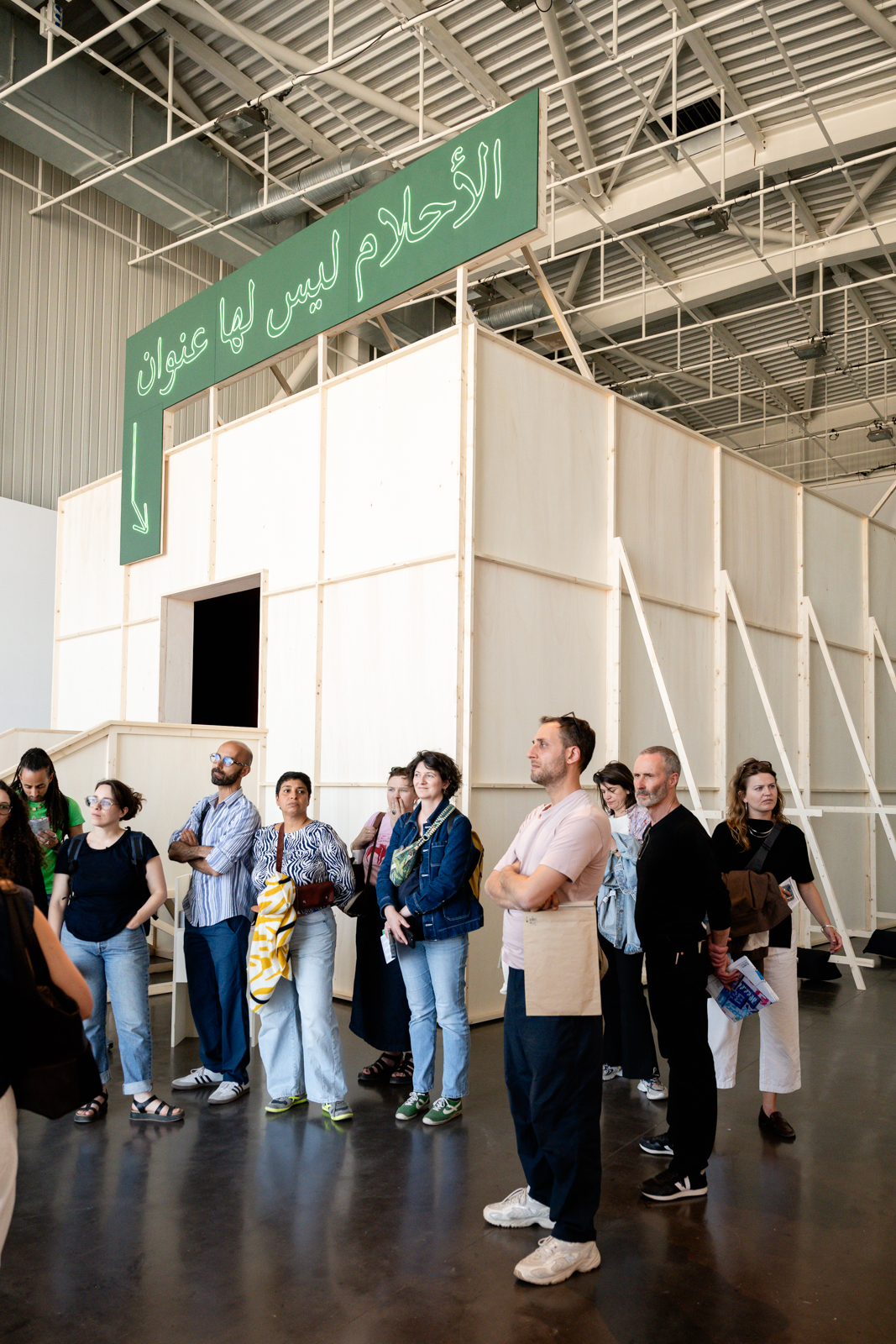
The afternoon featured a guided tour of the five new exhibitions inaugurated at La Friche as part of the Mediterranean Season, works that resonate directly with the questions running through Mawjaat. Discover the five new summer exhibitions at La Friche here: https://www.lafriche.org/evenements/vernissage-dete-4/
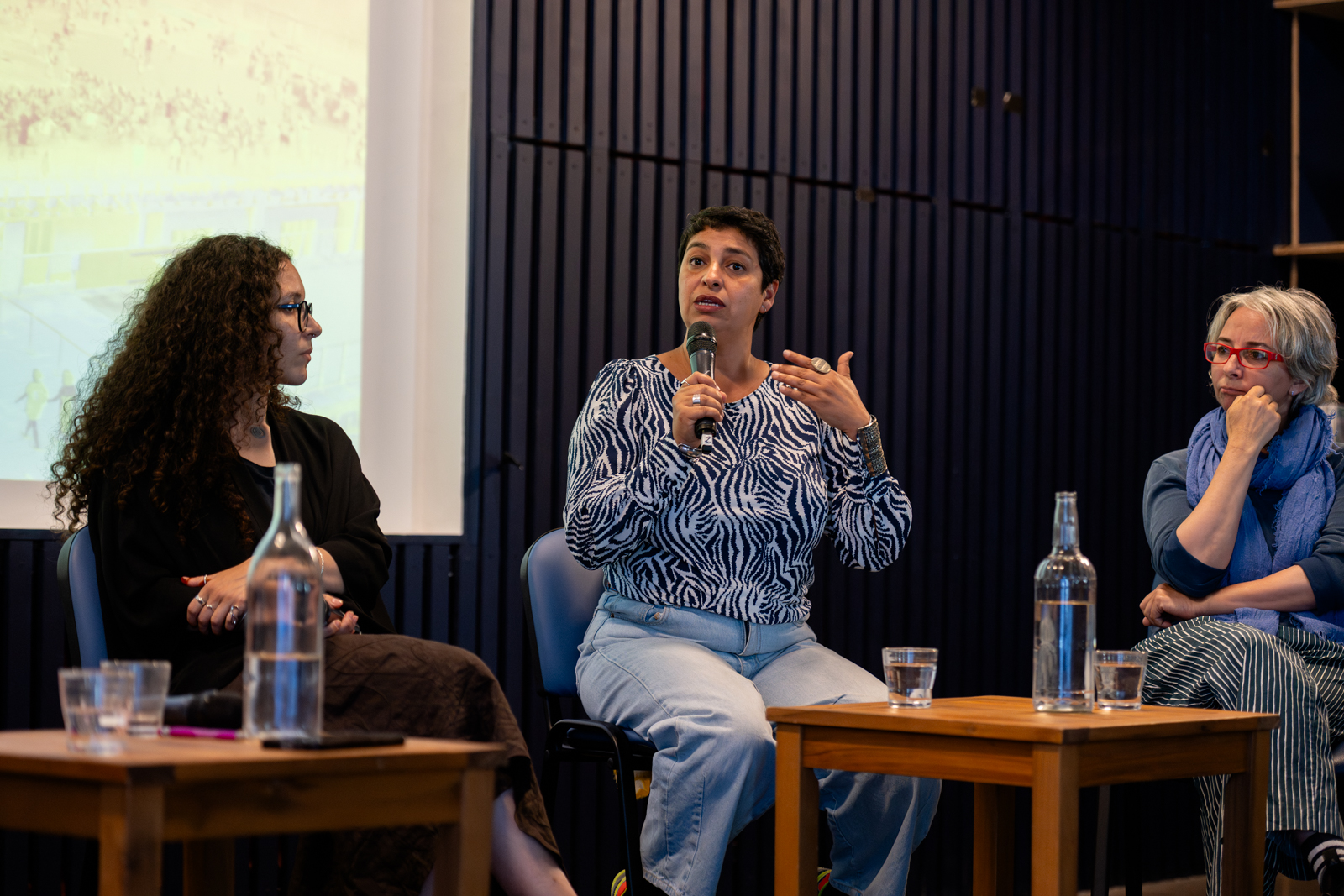
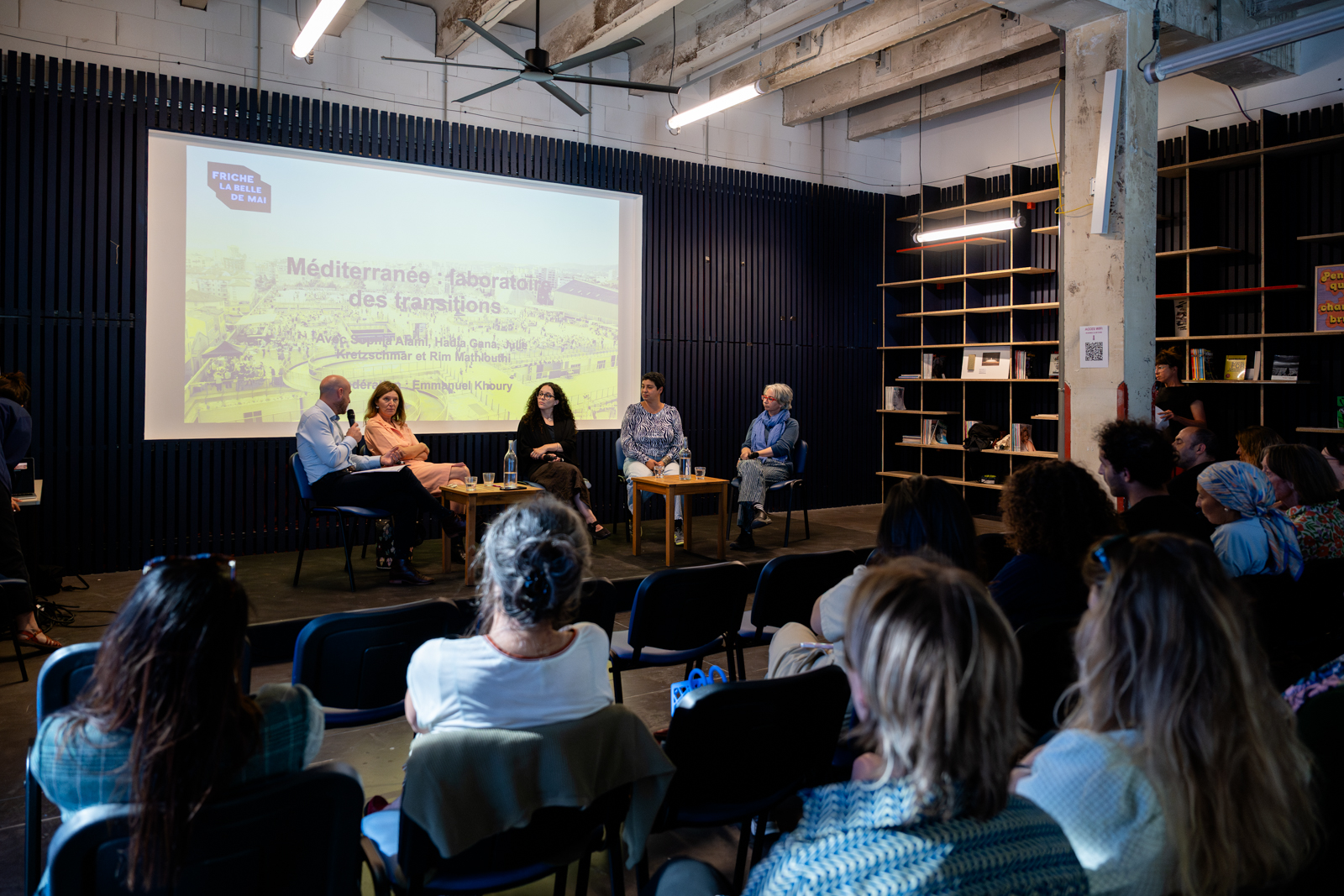
The gathering closed with a public roundtable, “Mediterranean: laboratory for transitions,” moderated by journalist Emmanuel Khoury. Sophia Alami (Rue de Tanger, Casablanca), Rim Mathlouthi (L’Blaça collective, Tunis), Hadia Gana (Bayt Ali Gana, Tripoli), and Julie Kretzschmar (general curator of the 2026 Mediterranean Season) discussed economic, associative, and cultural solidarity as survival and sustainability strategies for the region’s cultural entrepreneurs. The discussion highlighted, more than ever, the need for horizontal reciprocity in international cooperation and the irreplaceable role of younger generations in building new narratives. The evening ended on La Friche’s rooftop with a launch party for the Mediterranean Season: a 100% Vinyls DJ set with Algerian Vinyl and a live concert by the band LOR.
This stop-over in Marseille marked a turning point for the project. More than a working meeting, it was a moment of revelation that openly raised the questions now shaping the Mawjaat collective’s agenda: how to fund a movement beyond a single project? How to sustain the energy between each gathering? How to keep this project a living space rather than an archive? Between economic models to reinvent, tools to pool, and a collective narrative still to be written, this third meeting confirmed a shared conviction: Mawjaat is not a sum of individual projects, but a collective in motion, whose members share common challenges and choose, together, how to respond to them. A living force rooted as much in the trust between its members as in its ability to turn shared vulnerabilities into fairer, more sustainable models.